About the Author and the Novel
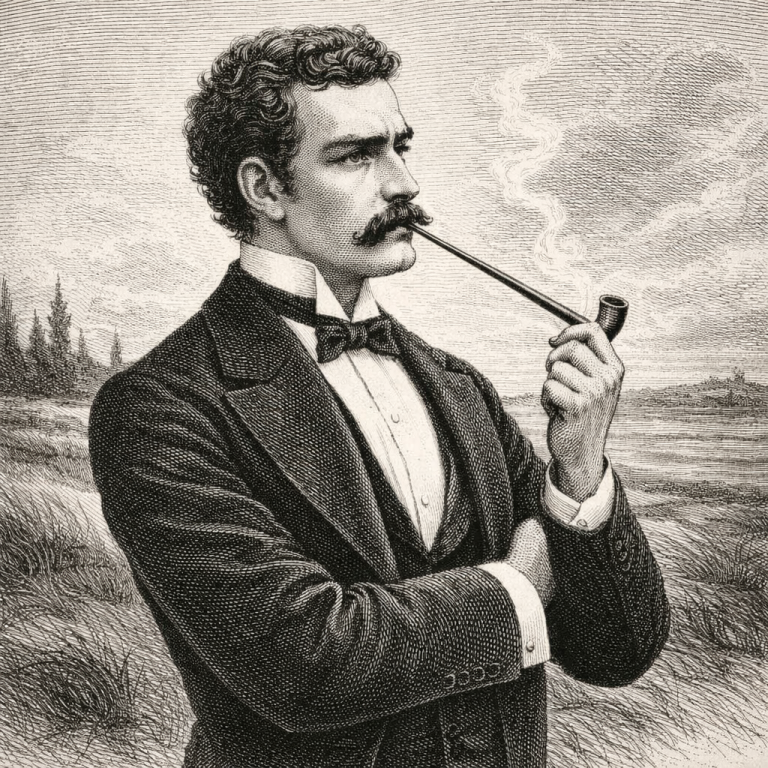
CHRISTOPHER STERLING is a novelist whose writing draws on literary expertise shaped by decades at the writing desk—though a multifaceted career spanning scientific research, educational and business leadership, and legal practice as a solicitor. His fiction writing is driven by a fascination with the emotional and moral complexities that shape human lives.
After completing a trilogy of private novels for a family member, he turned fully to historical fiction, developing a distinctive literary voice founded on truthful, character-driven storytelling. THE LADY OF BEAUMONT is the result.
In creating the world of Beaumont, CHRISTOPHER STERLING was determined to build a place that was wholly genuine. Historical accuracy was paramount. Every detail was painstakingly researched—from the cadences of late-Victorian speech, to the social codes governing class and propriety; the complexities of political tensions, and the developments in technology, law, medicine, transportation, communications and weaponry—all studied in detail to imbue the novel with the feel of a 'lost classic'.
But, most importantly, the characters themselves had to be real. These are not contemporary puppets in Victorian clothing. They speak from the heart of the 1890s, each in his or her own distinctive voice. To achieve this, THE LADY OF BEAUMONT is crafted in an epistolary form—a device used by Bram Stoker in Dracula—where multiple speakers challenge the reader to penetrate the shifting truths, concealed motives and quiet deceptions, to determine who are the heroes and who are the villains—who will live, and who will die.
CHRISTOPHER STERLING
describes his approach to writing
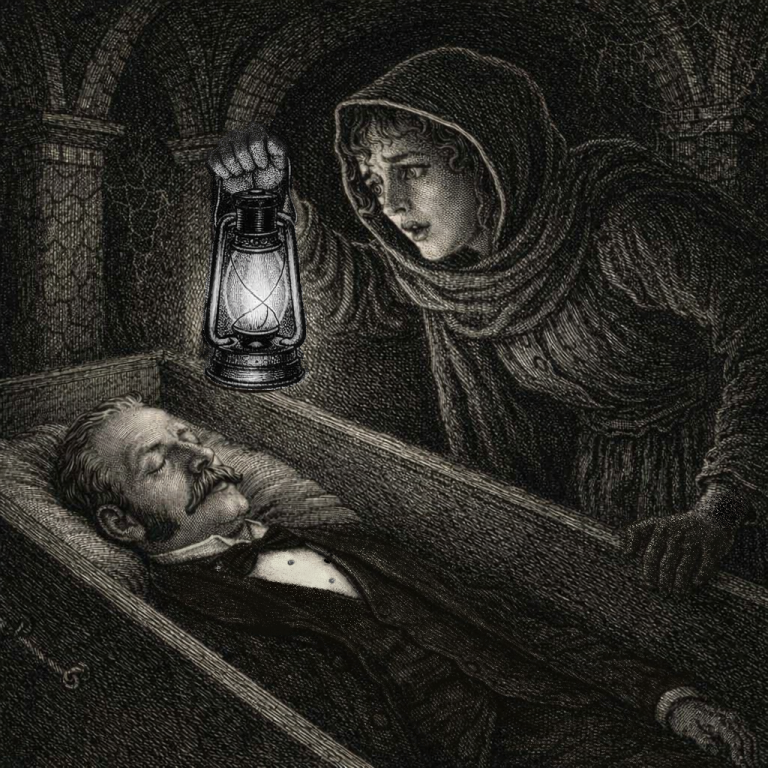
I wrote THE LADY OF BEAUMONT to create a modern novel that carries the emotional depth, moral seriousness and narrative clarity of the nineteenth-century masters I admire. My aim was not imitation, but authenticity—a story that feels timeless, rooted in character, atmosphere and moral tension. My approach to writing is three-fold:
- Every word must earn its place on the page; every sentence must carry life—its own ‘rhythmic pulse’.
- Every scene must move with emotional purpose, and each emotive beat must be felt by the reader. A moment only belongs on the page if it stirs the human heart.
- Every character must matter to the reader. They must be real. A story will only come alive when the reader cares about the principals—having shared their joy and borne their pain.
Above all, I hope you will find the same sense of immersion and emotional truth in reading THE LADY OF BEAUMONT that guided me whilst writing. If the characters remain with you after the final page, I will have succeeded.